
The System You Are Quoting May Already Be Obsolete
If you received an HVAC quote in 2026, the refrigerant type matters more than it ever has before. The system you buy this year will be serviced for the next 15 years. The refrigerant inside it determines whether that service will cost $150 or $450 a decade from now — depending on what the market looks like for a refrigerant that is already being phased out of new equipment.
The EPA’s AIM Act accelerated the timeline for removing high-GWP refrigerants from new residential HVAC equipment. R-410A, which has been the standard for more than two decades, is being replaced by lower-GWP alternatives — primarily R-454B and R-32 — in new equipment. Understanding what that means for a system you are about to buy or a system already in your home is not optional anymore.

Three Refrigerants, Three Situations
R-410A, R-454B, and R-32 are not interchangeable. Each requires different equipment, different tools, and in the case of the newer options, different safety precautions. A technician cannot add R-454B to an R-410A system to “upgrade” it. The refrigerant in a system is part of its design — the compressor, valves, and lubricant are all matched to it.
R-410A: The Old Standard Everyone Knows
R-410A has been the dominant refrigerant in U.S. residential air conditioners and heat pumps since the early 2000s. It replaced R-22 (Freon) when that refrigerant was phased out under the Montreal Protocol. If your current system was installed any time in the last 20 years, it almost certainly uses R-410A.
R-410A is still available for servicing existing equipment and will remain available for years to come. What has changed is that new residential equipment shipped after a specific cutoff date under EPA rules cannot use R-410A. The exact timing varies by equipment type and inventory rules, but the practical result is that a new HVAC system you buy today is increasingly likely to contain R-454B or R-32 rather than R-410A.
What A2L Means and Why It Matters in Your Home
Both R-454B and R-32 are classified as A2L refrigerants — mildly flammable under specific conditions. This is a different category than propane or natural gas. A2L refrigerants require a specific concentration in an enclosed space and an ignition source to present a hazard, which is why building codes are being updated to address them rather than ban them outright.
In practice, this means new equipment using A2L refrigerants may require updated installation practices in mechanical closets, and some jurisdictions are beginning to require refrigerant leak detectors in enclosed equipment rooms. For most homeowners with outdoor condensers and indoor air handlers in utility spaces, this has little day-to-day impact. For systems installed in tight mechanical closets inside conditioned spaces, ask your installer whether the installation meets current code for A2L equipment.
What the Transition Is Doing to HVAC Prices
New-refrigerant equipment costs more to manufacture, and that cost is being passed through to homeowners. Updated compressor designs, A2L-compatible components, and the general transition expense have added an estimated $200 to $600 to the equipment cost of comparable-efficiency systems compared to 2022 prices. That is on top of other cost increases in the HVAC supply chain.
R-410A refrigerant itself is also increasing in price. As manufacturers shift production capacity toward new refrigerants and stockpiles of R-410A are absorbed by the existing installed base, the cost of servicing an R-410A system — adding refrigerant after a leak, for example — is expected to continue rising. The full extent of this price increase is not yet clear, but homeowners with R-410A systems that have recurring leaks are facing a compound problem: both the repair cost and the refrigerant cost are increasing simultaneously.

Should You Repair Your R-410A System or Replace It?
The refrigerant transition does not automatically mean you should replace a functioning R-410A system. A well-maintained R-410A unit has the same expected service life as before the transition — the refrigerant inside does not degrade, and R-410A will remain available for service for many years. What changes is the economic calculation for a system that already has problems.
If your R-410A system is under 10 years old and functioning well, there is no reason to replace it for refrigerant reasons alone. If it is 15 years old and requires a $1,200 repair, the fact that replacement means upgrading to a more future-proof refrigerant becomes part of the replacement argument — not the only argument, but a real one.
The scenario that warrants the most attention is a recurring refrigerant leak in an aging R-410A system. Each recharge costs more than the last, and a leak that keeps coming back means the underlying failure has not been fixed. That combination — rising refrigerant costs plus unresolved leaks plus an aging system — makes the replacement calculation much cleaner.
Finding What Refrigerant Your System Uses
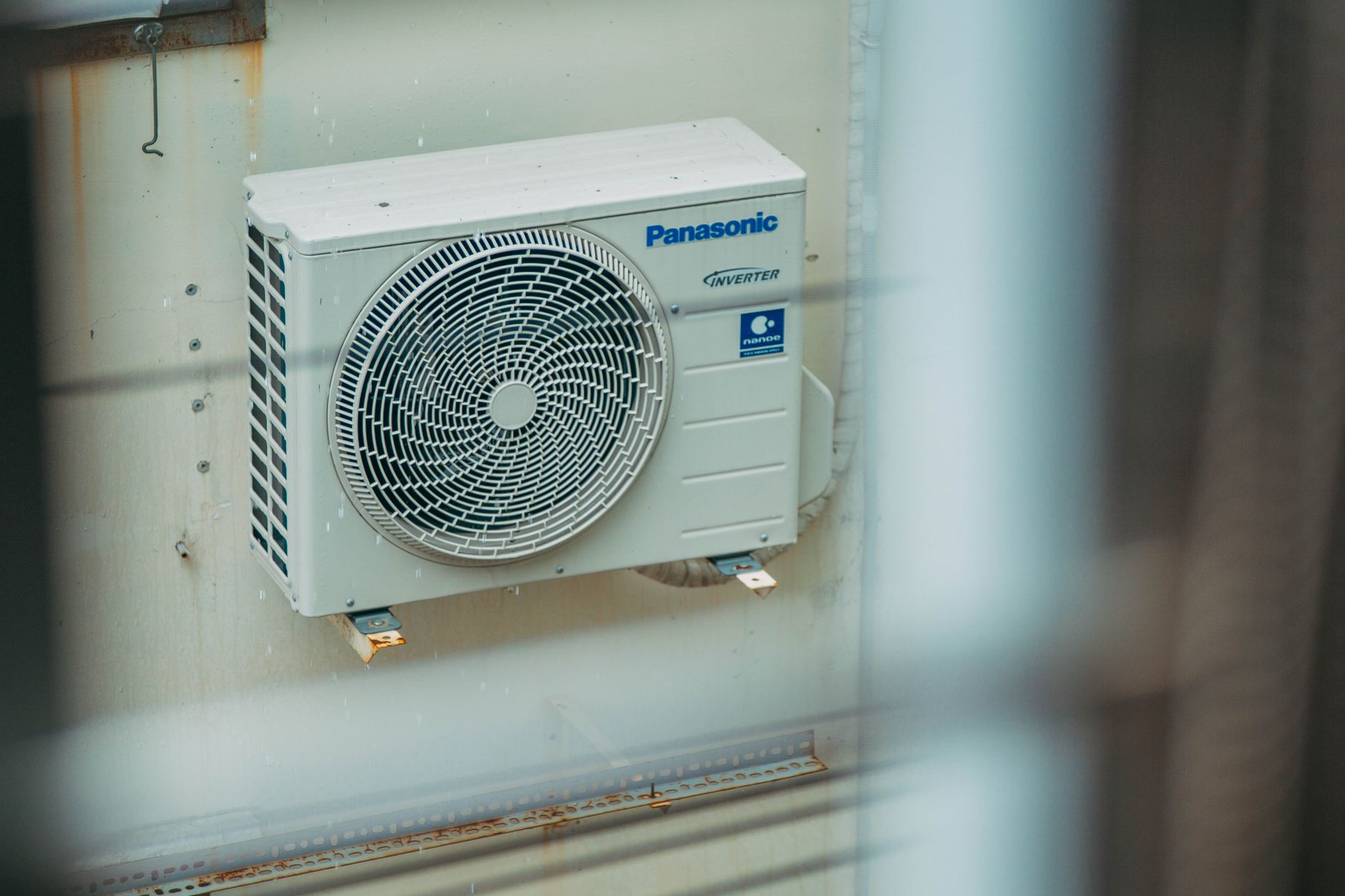
Every refrigerant-based system has a label on the outdoor unit that identifies the refrigerant type. It is listed in the specifications section as “Refrigerant” followed by the designation (R-410A, R-32, R-454B). If the outdoor unit has been replaced but the indoor coil has not, they must be matched to the same refrigerant — mixing refrigerant types across components is not possible and will void any warranty.


0 Comments