
AC Compressor Replacement Cost: Is It Worth It or Time to Buy New?
Most homeowners find out what a compressor costs the worst possible way — on a 95-degree afternoon, with a technician standing on their front lawn. The quote is almost always bigger than expected, and the conversation that follows is almost always the same: is it worth fixing, or should you replace the whole system? The answer depends on three things: how much the repair actually costs, how old the unit is, and what refrigerant it runs on. Get all three right, and the decision usually becomes clear.
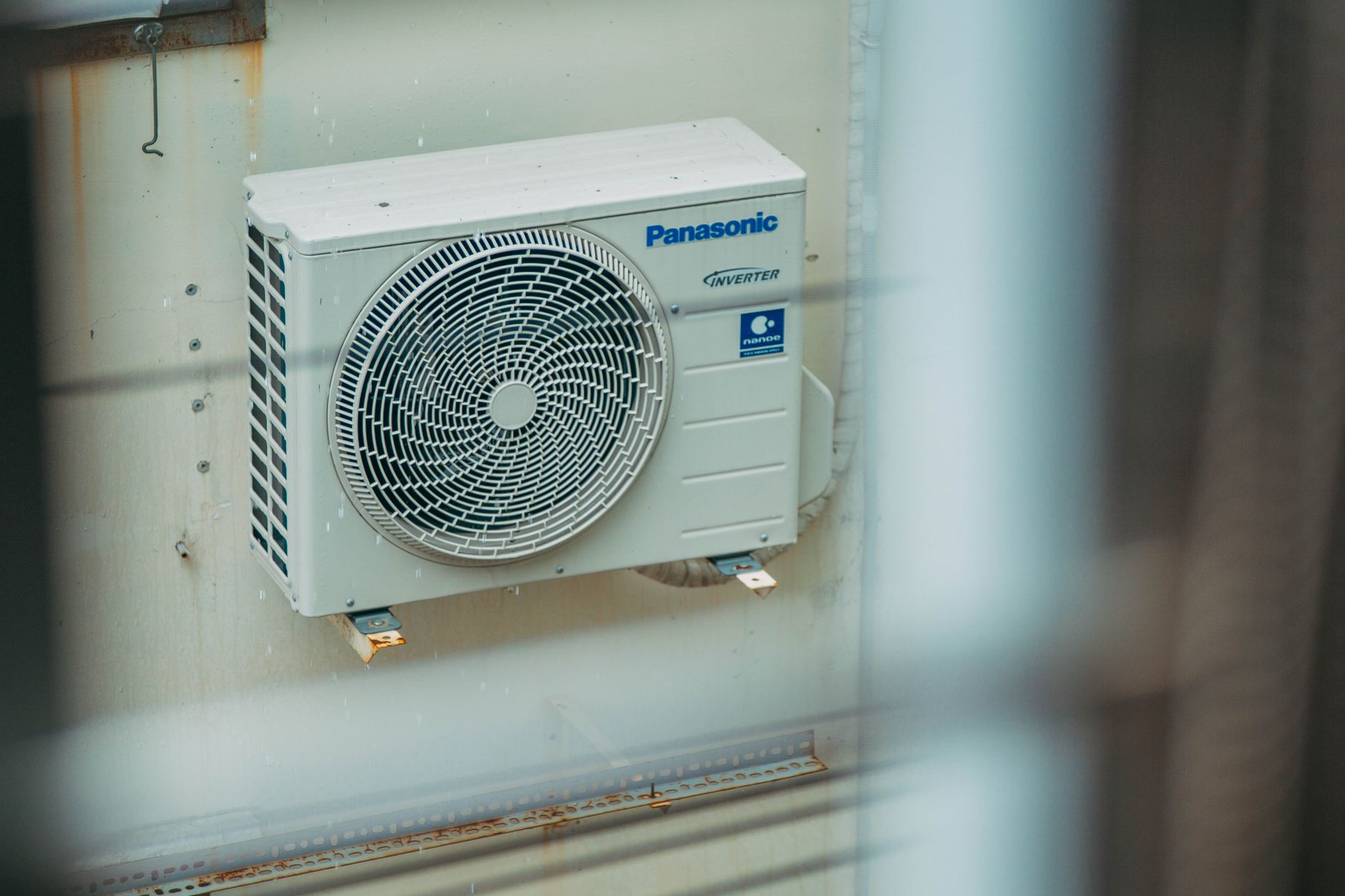
The compressor lives in the outdoor unit and runs every time the system cycles on. Over time, it accumulates heat, vibration, and mechanical wear. When it fails — usually from electrical problems, loss of lubrication, or liquid refrigerant flooding the compressor on startup — the repair cost reflects both the component price and the labor needed to replace it.
2026 Cost Breakdown: Why the Bill Is So High
A compressor part alone costs $400 to $1,200 depending on brand, tonnage, and availability. But the final invoice rarely reflects that number. Installed cost typically runs $1,500 to $3,200 for residential systems, and sometimes higher for larger units.

The labor bill is high because refrigerant has to be recovered before the old compressor comes out, and the system must be recharged after the new one goes in. With R-410A prices elevated since the EPA AIM Act phase-down began in January 2025, refrigerant service alone can add $400 to $900 to the invoice. Add the diagnostic charge, labor hours, and parts, and a routine compressor replacement easily reaches $2,000 on a mid-range residential system.
The Real Problem: A Failed Compressor Is Often a Symptom
Here is what most technicians will tell you if they are being direct: a compressor rarely fails in isolation on a well-maintained system. When it goes on a unit that is 8, 10, or 12 years old, there is a good chance the rest of the system has been under similar strain. The condenser coil may be dirty, the refrigerant may have been slightly low for years, or the capacitor may have been weak — all of which put extra load on the compressor over time.

This matters because paying $2,200 to replace the compressor could mean finding out a year later that the condenser coil also needs replacing. Now you have spent over $3,000 on a system that still has significant mechanical age. A second opinion before authorizing the repair is not skepticism — it is basic due diligence.
The R-410A Factor in 2026
If your system uses R-410A — and most residential systems installed before 2025 do — you can still repair it. The EPA AIM Act reduced production and import of R-410A starting January 2025, but existing systems can absolutely be serviced. Certified technicians can still purchase and add R-410A to existing systems. The difference is cost: prices have roughly doubled since 2023 and continue rising as supply tightens.

The strategic implication: repairing a 10-year-old R-410A compressor in 2026 means investing in a system that will need full replacement eventually, at a time when refrigerant costs are elevated. You are buying time, not value. That can still be the right call — but you should go in knowing what you are paying for.
When Repair Makes Sense: The Age Rule
The most widely used guideline in the industry is the 5,000 rule: multiply the repair cost by the age of the system. If the result exceeds $5,000, replacement tends to make more financial sense. A $2,000 repair on a 10-year-old system gives you $20,000 — a clear replacement signal. The same repair on a 3-year-old system gives you $6,000, which is in the gray zone.

If the unit is under 6 years old, check the warranty before agreeing to anything. Most major brands offer a 10-year parts warranty on registered equipment, which means the compressor part itself may cost you nothing. You pay labor, refrigerant, and the service call — but not the $1,000 compressor. That changes the math significantly.
Brand Patterns Worth Knowing
Compressor reliability is influenced heavily by installation quality, refrigerant charge accuracy, and maintenance history — more than brand name alone. That said, some patterns appear consistently in contractor reports and legal filings. Lennox has settled a class action suit over formicary corrosion in evaporator coils affecting several models. Trane variable-speed compressors have generated above-average complaints in contractor communities, though the company disputes these claims. Goodman units have shown higher-than-expected refrigerant leak rates in some technician surveys, though installation variance makes this difficult to confirm as a brand pattern rather than an installation pattern.

How to Tell If a Contractor Is Overselling
A legitimate compressor diagnosis comes with written evidence: measured compression pressure, locked-rotor amperage, or a specific failure code. If a technician says "your compressor is bad" without showing you data, ask for it. Real diagnostics take 20–30 minutes and produce measurable results — not just a verbal summary and a quote.

Also be cautious if the recommendation on a system under 8 years old is immediate full replacement without a written explanation of why repair cannot be done. This sometimes is the right advice, but it requires justification beyond age alone. A second opinion on any quote over $1,500 is almost always worth the $150 service call cost.
A failed compressor is serious, but it is not automatically a death sentence for the system. The key is doing the math, checking the warranty, and not letting urgency — or a contractor who benefits from a new equipment sale — make the decision for you.


0 Comments