
Heat Pump vs Gas Furnace: What Actually Costs Less to Run in 2026?
Everyone says heat pumps save money. Your neighbor says theirs runs up the electric bill every winter. Both things can be true simultaneously — because the right answer depends almost entirely on where you live and what you pay for electricity versus gas. The marketing rarely explains this. This guide will.
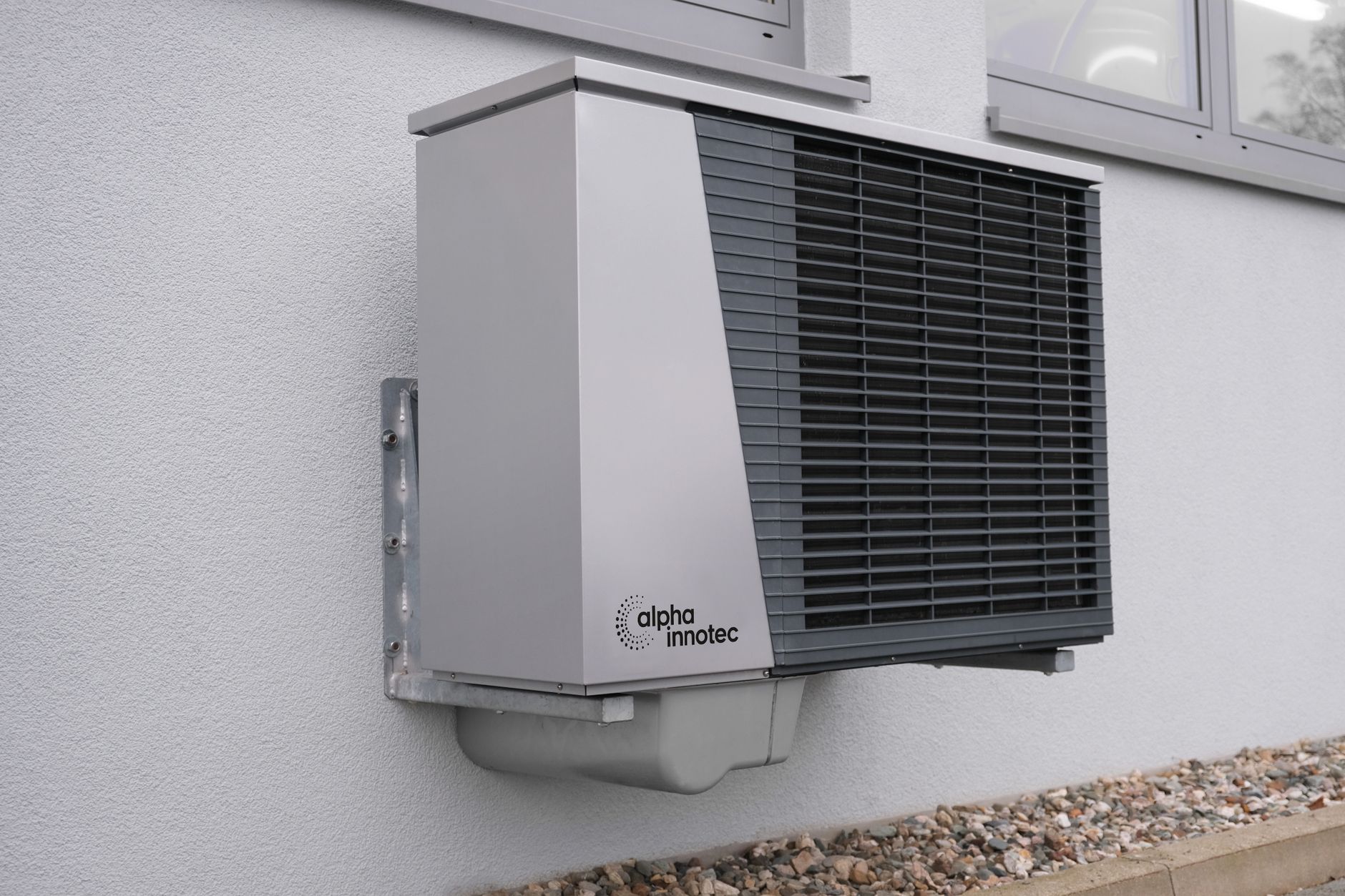
A 96% efficient gas furnace (AFUE 0.96) delivers 96 cents of heat for every dollar of gas. That is excellent — but it is capped at 1.0 by the laws of physics, since you cannot get more heat than the fuel contains. A heat pump, by moving heat rather than creating it, routinely delivers 2 to 4.5 units of heat for every unit of electricity consumed. That ratio is called the Coefficient of Performance (COP).
The Climate Factor: Where Heat Pumps Clearly Win and Where They Struggle
The efficiency advantage of a heat pump shrinks as outdoor temperatures drop, because there is less heat in cold air to extract. In mild winters — Zone 1 through 3, covering most of the South and Pacific Coast — a heat pump will almost always beat a gas furnace on operating cost, especially if local electricity is relatively affordable.

In colder climates, the comparison gets complicated. The traditional knock on heat pumps — that they stop working in cold weather — was accurate for older technology. Modern cold-climate heat pumps (Mitsubishi Hyper Heat, Bosch IDS Ultra) are rated to operate down to −13°F and maintain meaningful COP values at 5°F. They are a genuinely different product than what was available even ten years ago.
The Cold-Weather Cliff: What Actually Happens Below Freezing
A standard heat pump operating at 17°F delivers a COP of roughly 1.5 to 2.5. That still outperforms electric resistance heat (COP 1.0), but the comparison to gas depends on your specific electricity and gas rates. If you pay $0.14 per kWh and $1.40 per therm of gas, a heat pump at COP 2.0 roughly ties a 96% furnace. If electricity is more expensive in your market, the furnace wins below a certain temperature — and vice versa.
The important correction to widespread misinformation: heat pumps do not "fail below freezing." They lose some efficiency. Even cold-climate models that operate to −13°F experience reduced output at their design minimum. But they keep running, keep heating, and for most climates that experience occasional extreme cold rather than sustained sub-zero temperatures, the math still works in their favor across the full heating season.
Upfront Cost vs 10-Year Operating Cost
The heat pump almost always costs more to install. A cold-climate heat pump system in 2026 runs $7,000 to $14,000 installed — roughly $3,000 to $6,000 more than a comparable gas furnace setup. The question is how long it takes to recover that premium through lower operating costs.

In a Zone 3 climate with average utility rates, a heat pump typically breaks even against a gas furnace within 5 to 8 years of operation. In a Zone 5 or 6 climate with expensive electricity, the break-even may never arrive. This is why blanket recommendations — "heat pumps always save money" or "gas is always cheaper" — are both misleading. The math is local.
Dual-Fuel Systems: Best of Both, or Just More Complexity?
A dual-fuel system pairs a heat pump with a gas furnace backup. The heat pump handles most of the heating season, where it is efficient. Below a temperature threshold called the "balance point" — typically set between 30°F and 40°F — the gas furnace takes over. This is not "emergency heat." It is a planned handoff, and when configured correctly, it captures the efficiency of the heat pump for 80–90% of heating hours while maintaining the reliability of gas for the coldest days.

The tradeoff is cost and complexity. You are buying and maintaining two heating systems instead of one. Installation costs are higher, and if either system needs repair, you still have a bill. For homes in Zone 4 or 5 where both systems make partial sense, dual-fuel is often the answer — but it requires a contractor who genuinely understands how to configure the balance point correctly.
Tax Credits in 2026: What Is Still Available
The IRA Section 25C tax credit offered up to 30% (maximum $2,000) for qualifying heat pump installations made through December 31, 2025. For systems installed in 2026, the availability of this credit may have changed — verify with a tax professional before making any financial projections that assume a tax benefit. State and utility rebate programs continue to vary widely and may partially offset upfront costs where federal credits do not apply.

The honest answer to heat pump vs furnace is not a product recommendation — it is a calculation. What do you pay per kWh? Per therm of gas? What climate zone are you in? What is your heating load? Those four inputs will give you a clearer answer than any contractor's sales pitch.


0 Comments