
Installing a Smart Thermostat: What Nobody Tells You Before You Start
A smart thermostat installation looks like a 20-minute job. For a standard gas furnace and central AC system, it often is. For a heat pump, a dual-fuel setup, or a system without a C-wire, it is a job where one wrong setting can leave you heating in August or damage a $900 reversing valve. The box contains installation instructions. It does not contain this guide.

Compatibility Check: Do This Before Buying Anything
Not every smart thermostat works with every HVAC system. Systems with steam heat, electric baseboard, or certain proprietary controls are often incompatible with standard smart thermostats. Both Nest and Ecobee have online compatibility checkers that ask you to list the wire terminals currently in use — run the check before purchasing, not after opening the box.

The specific things to identify before you start: Does your current thermostat have a C-wire? Is your heating system a heat pump, a gas furnace, or dual-fuel? How many stages of heating and cooling does it have? These three answers will determine which thermostat you need and whether professional installation is the smarter choice.
The C-Wire Problem: What It Is and What to Do Without One
The C-wire (common wire) provides a continuous 24VAC power supply to the thermostat. Older systems were designed for simpler thermostats that ran on batteries — many did not run a C-wire to the thermostat location at all. Smart thermostats need continuous power to maintain Wi-Fi, run displays, and operate sensors. Without a C-wire, they have to work around the problem.

Ecobee solves this by including a Power Extender Kit (PEK) that wires into the air handler and allows the thermostat to draw power differently. Nest uses a technique called power-stealing — it draws a small current from the Rc to C path during heating and cooling calls, which works on most systems. Neither workaround is guaranteed to work on all configurations, and both can cause issues on systems with unusual wiring. If you have a C-wire, neither workaround is necessary and both thermostats work cleanly.
The O/B Terminal: The Heat Pump Trap That Wrecks Compressors
If you have a heat pump, pay close attention to the O/B terminal. This wire controls the reversing valve, which is the component that switches the system between heating and cooling mode. The problem is that different manufacturers define the terminal differently.
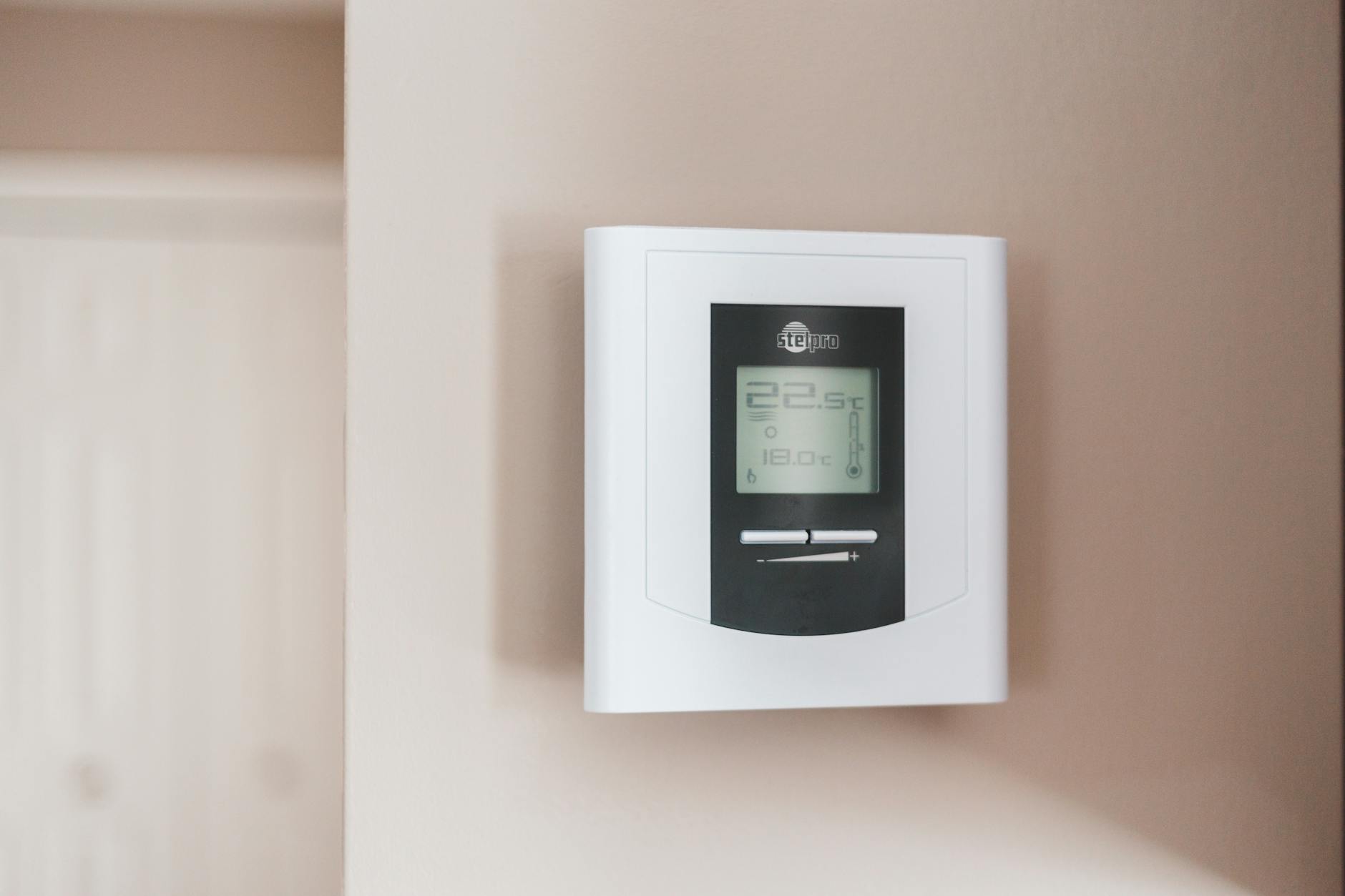
Most heat pump brands (Carrier, Trane, Lennox, Goodman) use the O terminal convention, where the reversing valve is energized in cooling mode. Rheem and Ruud use the B terminal convention, where the reversing valve is energized in heating mode. Setting your smart thermostat to the wrong convention makes the heat pump run in the wrong mode — heating your house in summer, cooling it in winter — and can damage the reversing valve over time. A replacement reversing valve typically costs $400 to $900 installed.
Check your current thermostat label or your outdoor unit's model documentation to confirm which convention your system uses before configuring any new thermostat.
The Installation Protocol That Prevents Problems
Before removing anything from the wall, photograph your existing wiring with a clear photo that shows each wire and the terminal label it connects to. This takes thirty seconds and prevents the most common installation disaster: forgetting which wire was on which terminal.

Label each wire with the terminal letter using tape or a marker before disconnecting anything. Write down the letters — R, G, Y, W, C, and for heat pumps O, B, and possibly Y2 or W2. If you are not certain what each wire does, look up the current thermostat model's manual, which will show what each terminal controls.
Nest vs Ecobee: Which Is Actually Better
For a standard two-stage central AC and gas heat system with a C-wire, both thermostats work well. Nest's interface is simpler and its learning algorithm genuinely adjusts to your schedule over the first few weeks. Ecobee's room sensor feature allows it to average temperatures from multiple rooms, which reduces the "my thermostat is in the wrong location" problem that affects many older homes.

For heat pump systems, Ecobee has a technical edge: it provides more explicit configuration options for O/B terminal behavior and dual-fuel balance points. Nest handles heat pump installations but the configuration is less transparent, which can make troubleshooting harder if something goes wrong. For complex zoning or multi-stage setups, get a professional assessment before buying either.
When to Call a Professional
DIY installation is reasonable for standard two-stage cooling and gas heat systems where you have a clear C-wire and a simple wiring diagram. It is worth paying for professional installation if you have a heat pump, dual-fuel system, three or more stages, or multi-zone control. The service call cost ($100–$300 typically) is less than the cost of a miswired reversing valve.

Settings That Actually Save Energy vs Settings That Don't
A temperature schedule that sets back 4°F while sleeping and while away from home typically saves 5–10% on annual heating and cooling costs. The savings are real — but only if the thermostat is not fighting a leaky building envelope or an undersized system.

One common misconception: setting the thermostat to a very low or very high temperature does not make the system cool or heat faster. Your AC and furnace run at one capacity — they just run longer to reach the setpoint. Setting 65°F instead of 72°F does not get you to 72°F faster; it just runs the system past 72°F. Set the temperature you want.


0 Comments