Not
Heating
Why Is My Heat Pump Blowing Cold Air?
You switched your heat pump to heat mode. It is running. But the air coming out of the vents feels cool — not warm. And the house is not warming up. What is going on?
Here is the thing about heat pumps that trips people up: they work differently from gas furnaces, and some of what feels wrong is actually completely normal. The air from a heat pump is never as hot as the air from a furnace. But sometimes the cool air really is a sign of a problem.
This guide helps you tell the difference. Seven possible causes, from the most harmless to the most serious, and what to check before you call a technician.
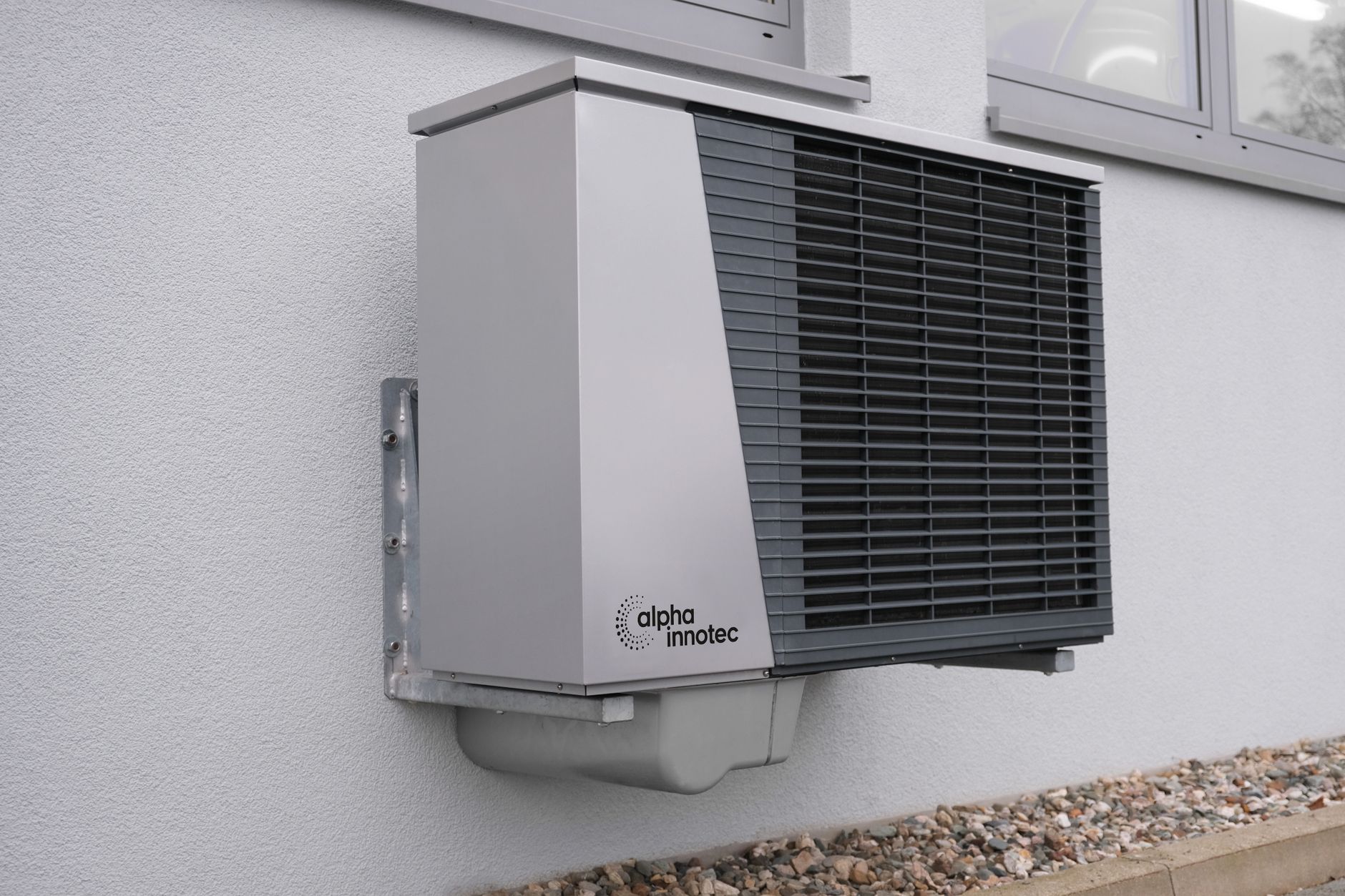
First: How Heat Pumps Are Different From Furnaces
A gas furnace burns fuel and produces very hot air — typically 120°F to 140°F coming out of the vents. A heat pump does not burn anything. Instead, it moves heat from the outside air into your home, which is a much more efficient process but produces gentler warmth.
Air from a heat pump vent is typically 90°F to 100°F — which feels warm but not hot. If you put your hand over the vent and it feels “just barely warm,” that might be completely normal, especially on a cold day.
The other thing to understand: standard heat pumps lose efficiency as outdoor temperatures drop. Below about 35°F, they start to struggle. Below 25°F, they often cannot keep up on their own. Your system has a backup — called auxiliary heat or emergency heat — to take over when the heat pump cannot handle the load alone.
If it is 20°F outside and your vents are blowing slightly cool air, check what the outdoor temperature is before assuming something is broken.
The 7 Causes, From Harmless to Serious
1. It Is Very Cold Outside (Normal)
When the outdoor temperature drops below about 30°F, standard heat pumps struggle to extract enough heat from the cold air. Your system is supposed to kick on electric auxiliary heat strips at this point to make up the difference. If you feel lukewarm air on a 15°F day, your system may be running correctly — the auxiliary heat is running but the combined output still feels gentle compared to a furnace.
2. Defrost Mode (Normal)
Here is something that surprises many heat pump owners: in cold weather, your outdoor unit regularly runs a defrost cycle. During defrost, the heat pump briefly switches to cooling mode to warm the outdoor coil and melt the frost that builds up on it. While this happens — usually 5 to 15 minutes — the air from your vents can feel cool. This is completely normal and happens automatically.
If you notice cool air from your vents for a short period during cold weather and then it goes back to warm, this is probably what was happening.

3. Thermostat Set to Cool by Mistake
Check the thermostat. It sounds obvious, but it happens — especially if someone changed a setting, or if you recently switched from cooling season to heating season. Make sure it is set to “heat,” not “cool” or “auto.” Also check that the fan is on “auto” and not “on” — if the fan runs continuously, it circulates air even when the heat pump is not actively heating, which can feel like cool air.
4. Dirty Air Filter
A clogged filter restricts how much air flows through the system. Less airflow means less heat delivered to your home, even if the heat pump is working correctly. Check and replace the filter if it looks gray or black.
5. Outdoor Unit Covered in Thick Ice
A thin layer of frost on the outdoor unit is completely normal in cold weather — the defrost cycle handles it automatically. What is not normal is a thick layer of ice that covers the entire unit, including the top. If you can barely see the unit underneath the ice, that is a problem.
When the coils are fully iced over, the heat pump cannot extract heat from the air. The system keeps running but produces no warmth. Several things can cause this: a failed defrost sensor, a failed defrost board, very low refrigerant, or a broken outdoor fan motor.
If this happens, switch to “Emergency Heat” mode on your thermostat. This bypasses the heat pump and runs only your backup heat strips, so your home stays warm while you wait for service. Then call an HVAC technician.
6. Low Refrigerant (Leak)
Refrigerant is the chemical that allows a heat pump to move heat from outside to inside. If there is a leak, the refrigerant level drops and the system loses the ability to transfer heat effectively. Low refrigerant in a heat pump causes exactly the symptom you are experiencing: the system runs, but the output is weak or barely warm.
Signs that point to a refrigerant leak: the outdoor unit has ice on it even in mild weather (40°F to 50°F), the system runs constantly but the house never reaches temperature, or you hear a hissing or bubbling sound near the outdoor unit. This requires a licensed HVAC technician to diagnose and repair.
7. Stuck Reversing Valve
Heat pumps use a special valve that reverses the flow of refrigerant to switch between heating and cooling mode. Sometimes this valve gets stuck in cooling mode, which means your heat pump runs and circulates air — but it is actually cooling the air instead of heating it.
If your house gets colder when the heat pump runs, this is likely what is happening. It is uncommon, but it does happen. The reversing valve replacement costs $400 to $700 including labor.
What to Do Right Now
Before calling for service, run through these quick checks:
1. Check the outdoor temperature. If it is below 30°F, your heat pump is working under difficult conditions. Give it 30 minutes of steady runtime before concluding something is wrong. The auxiliary heat should be helping.
2. Verify the thermostat settings. Make sure it is set to Heat mode. Check that the fan is set to Auto, not On. If the fan runs continuously, it moves air even when no heating cycle is running, which makes the air feel cooler than it is.
3. Change the air filter. If you cannot remember the last time you changed it, do it now. A clogged filter can cut airflow enough to make your heat pump feel like it is not working even when it is fine mechanically.
4. Check the outdoor unit. Walk outside and look at the heat pump. A light dusting of frost on the coils is completely normal. If the unit is encased in ice — fins completely blocked, ice on the top, you can barely see the unit — that is a defrost failure and needs a service call.
5. Give it time. After any setting change, heat pumps take longer to respond than furnaces. The air in the vents warms up gradually over 10 to 15 minutes. Do not judge after 60 seconds.

Aux Heat vs Emergency Heat: What Is the Difference?
If you have a heat pump, you have seen these two options on your thermostat. Here is the simple explanation:
Auxiliary heat (often labeled “Aux Heat”) turns on automatically when your heat pump cannot keep up. On very cold days, or when you are trying to heat the house from a big temperature difference, the heat pump runs alongside electric backup heat strips to make up the difference. This is normal and expected. You might see a light on your thermostat indicating aux heat is on. That is not a problem.
Emergency heat (labeled “Em Heat” or “Emergency Heat”) is something you activate manually. It completely bypasses the heat pump and runs only on the electric backup strips. Use this only when the heat pump itself is broken or when the outdoor unit is fully iced over. Running on emergency heat costs two to three times more than normal heat pump operation, so you do not want to leave it on longer than necessary.
If your thermostat shows “Aux Heat” on a cold day and the house is warming up, everything is working normally. If “Aux Heat” is on all the time even at moderate temperatures (above 45°F), that is a sign the heat pump has a problem.
When You Actually Need a Repair Call
Skip the technician if the outdoor temperature is below 30°F and the house is still warming up, just slowly. That is normal operation.
Call a licensed HVAC technician if:
- The outdoor unit has thick ice buildup that does not clear on its own after 30 to 60 minutes
- The house is not reaching your set temperature even with auxiliary heat running, at temperatures above 40°F
- The house actually gets colder when the heat pump is running (reversing valve problem)
- You hear a hissing or bubbling sound near the outdoor unit (refrigerant leak)
- The outdoor unit fan is not spinning, or the unit is completely silent when the thermostat calls for heat
For the common repair costs: a reversing valve replacement runs $400 to $700. Refrigerant leak repair and recharge is $400 to $1,500 depending on where the leak is. A defrost control board is $200 to $500.

Check First,
Call Second.
The Bottom Line
Most heat pump “not heating” problems are either normal behavior in cold weather or simple fixes you can do yourself. Check the outdoor temperature, verify the thermostat settings, replace the filter, and look at the outdoor unit before picking up the phone.
If it is very cold outside and the house is still gradually warming up, give the system time. Heat pumps are not furnaces — they do not blast hot air, they heat gently and consistently.
If the outdoor unit is buried in ice, the house is getting colder, or you hear unusual sounds near the outdoor unit, those are the signs that a real repair is needed. Switch to Emergency Heat to stay warm while you wait, and call a licensed HVAC technician. Most heat pump repairs are less expensive than homeowners fear.


0 Comments