System
Cost 2026
What Does a New HVAC System Actually Cost?
Most homeowners get a number from a contractor and have no idea if it is fair. Is $8,500 reasonable for a new AC? Is $12,000 too much for a heat pump? Without a frame of reference, it is impossible to know.
Here is a simple guide to what new HVAC systems actually cost in 2026, what drives the price up or down, and what a good quote should include. By the end of this, you will be able to look at any contractor estimate and know whether it is in the right ballpark.
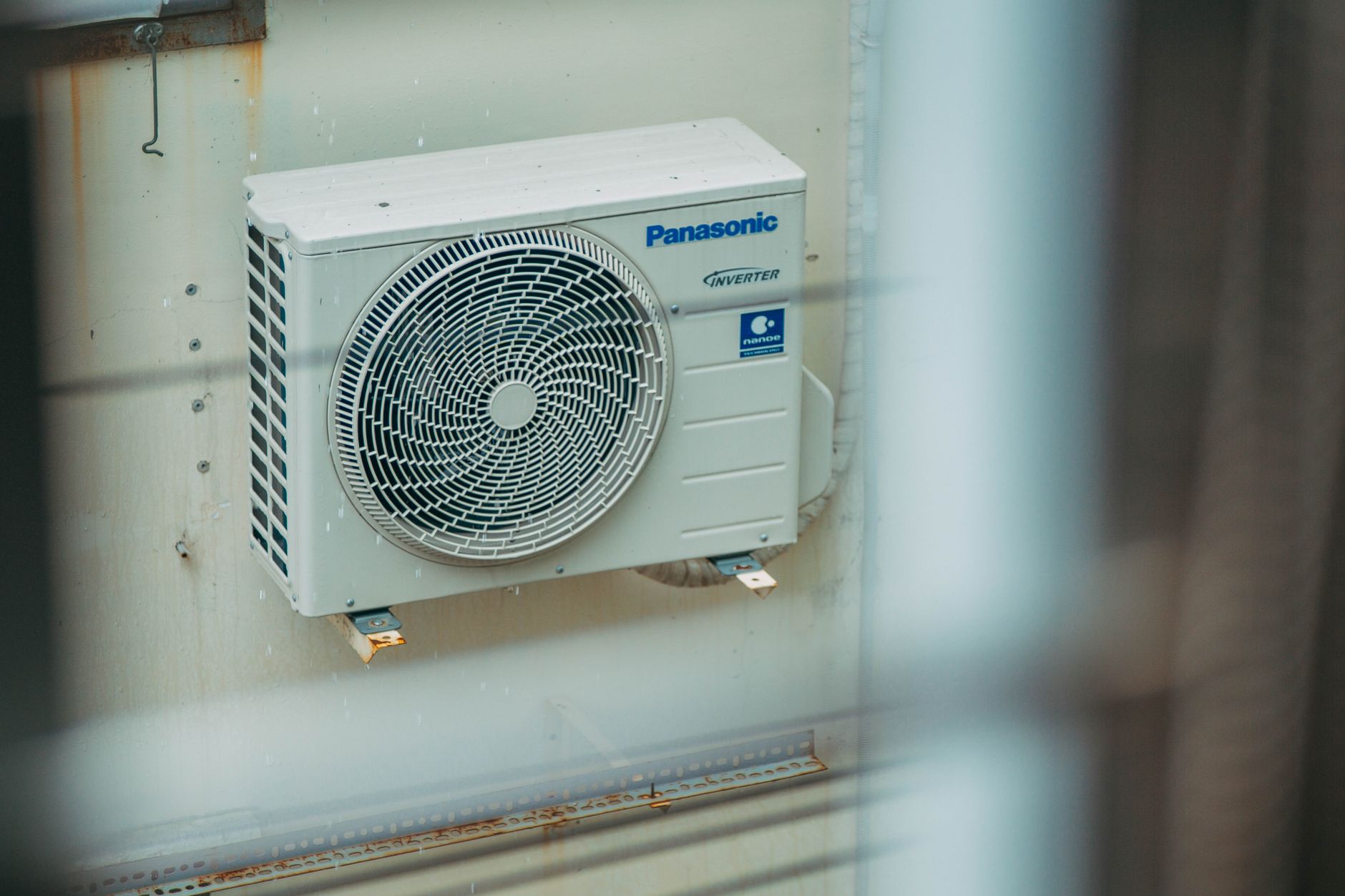
Cost by System Type
The first thing to know: “HVAC system” is not one thing. It could mean just an AC, just a furnace, or an entire heating and cooling system together. What you pay depends heavily on what you need.
Central Air Conditioner Only: $3,500 to $7,500
If you already have a gas furnace that works fine and just need a new outdoor AC unit and coil, this is your price range. The higher end covers premium efficiency ratings (16+ SEER2) and larger homes.
Gas Furnace Only: $2,800 to $6,500
A standard 80% efficiency furnace for a 2,000 square foot home typically costs $2,800 to $4,500 installed. A high-efficiency 96% model runs $3,500 to $6,500. The price includes the unit, installation, and removal of the old furnace.
AC and Furnace Together: $6,000 to $12,000
Replacing both at the same time is almost always cheaper than doing them separately. Contractors share the same labor visit, and HVAC manufacturers give better pricing on matched system pairs. If your AC and furnace are within a few years of each other in age, replacing both together saves money in the long run.
Heat Pump: $5,000 to $15,000
A heat pump can replace both your AC and your furnace in mild climates. The wide range reflects system size, efficiency level, and whether you need to keep a gas backup for very cold weather (called a dual-fuel system). Cold-climate heat pumps that work efficiently down to -5°F or lower sit at the higher end of the range.

What Makes One Quote $6,000 and Another $14,000?
Getting two quotes that are $5,000 apart is more common than people think. Here is what creates that spread:
System size (tonnage). A 1.5-ton AC for a small home costs significantly less than a 4-ton system for a large one. Tonnage is not weight — it is a measure of cooling capacity. A contractor should always calculate the correct size for your home. If someone quotes you without asking about your home’s square footage, insulation, and window count, that is a red flag.
Efficiency level. A standard 14 SEER2 AC costs less upfront than an 18 SEER2 unit. The higher-efficiency unit uses less electricity, so it saves money over time — but it costs more today. For a home you plan to stay in for 10+ years, higher efficiency often makes sense. For a rental or a home you plan to sell soon, the standard tier is usually fine.
Your location. Labor rates in a city like Chicago or San Francisco can be 40 to 60 percent higher than in rural areas. This is not the contractor padding the bill — it reflects actual market rates for skilled labor.
Ductwork condition. If your ducts are old, leaky, or incorrectly sized, a new HVAC system will not perform as well as it should. Some contractors quote ductwork repairs separately; others include what they notice. Always ask specifically whether the quote includes any ductwork work, and ask the contractor to tell you what they found during their assessment.
Should You Replace or Just Repair?
This is the question that matters most before you call anyone. A new system is a big investment. A repair might buy you three to five more years without the upfront cost. How do you decide?
Here is a simple rule that HVAC professionals use, sometimes called the $5,000 rule: multiply the age of the system (in years) by the cost of the proposed repair (in dollars). If the result is more than $5,000, replacement is almost always the smarter choice.
Examples:
- 10-year-old AC, $400 capacitor repair: 10 × 400 = $4,000 → Repair it
- 14-year-old AC, $1,200 compressor repair: 14 × 1,200 = $16,800 → Replace it
- 8-year-old furnace, $700 control board: 8 × 700 = $5,600 → Borderline, consider age and overall condition
Age is also a factor on its own. Central AC units last 15 to 20 years. Furnaces last 15 to 25 years. If your system is already 18 years old and needs any significant repair, it is usually better to put that money toward replacement rather than into aging equipment.

How to Get a Fair Quote
Most homeowners make one big mistake when getting HVAC quotes: they treat it like a simple product purchase and compare prices without comparing what is actually included. Here is how to shop properly:
Get at least three quotes. The spread between the cheapest and most expensive legitimate quote is often $2,000 to $4,000 for the same job. Getting one quote and agreeing to it means you have no way to know if the price is fair.
Ask about load calculation. A properly sized HVAC system is the single most important factor in whether it will work well for years. The correct size is determined by calculating your home’s heating and cooling load — taking into account square footage, ceiling height, insulation, windows, local climate, and more. This is called a Manual J calculation. If a contractor sizes the system just by guessing based on square footage, that is not professional practice.
Compare what is included. A quote that includes a new thermostat, removal and disposal of the old equipment, permit fees, and a one-year labor warranty is better value than a quote $500 cheaper that includes none of those things. Ask each contractor to itemize the quote.
Ask about rebates. Utility companies in many states offer significant rebates for high-efficiency equipment. Some states also have their own programs. A knowledgeable contractor should know what is available in your area and help you apply for it.
What Your Quote Should Include
A professional HVAC quote should not just say “new AC system — $8,500.” Here is what it should include, spelled out in writing:
Equipment model numbers for every component — the outdoor condensing unit, the indoor air handler or furnace, and the coil. With model numbers, you can look up exactly what efficiency rating you are getting and compare prices across contractors.
System size in tons and BTUs. If a contractor quotes a 3-ton AC without explaining why 3 tons is the right size for your specific home, ask how they determined that.
All efficiency ratings spelled out: SEER2 for the air conditioner, AFUE (a percentage from 80% to 97%) for the furnace, or HSPF2 for a heat pump. Higher numbers mean more efficient equipment and lower utility bills.
Permit fees, if your area requires them. Legitimate contractors pull permits. If a contractor offers to skip the permit to save you money, that is a serious red flag.
Removal and disposal of your old equipment should be included. If it is not, add it to the total comparison cost.

Red Flags That Should Make You Walk Away
Not every HVAC contractor is honest or competent. Here are the warning signs of a quote you should not trust:
No brand or model number in the quote. You have no way to know what you are buying. A contractor who refuses to specify the equipment usually has a reason.
Same-day pressure tactics. “This price is only good today.” Real HVAC contractors expect you to get multiple quotes. A legitimate business does not need to pressure you into a same-day decision.
Offering to skip the permit. Most HVAC replacements require a permit. An unpermitted installation can void your homeowner’s insurance, create problems when you sell the house, and leave you with no recourse if the work is done poorly.
A quote that is dramatically lower than all others. A price 40 to 50 percent below every other quote usually means one of three things: a cheap, no-name brand that will be hard to get parts for, missing components (like the coil, the thermostat, or refrigerant lineset), or an unlicensed contractor.
The best defense against bad contractors is getting three quotes from licensed, insured contractors and asking each one the same set of questions. The quality of their answers tells you a lot about the quality of their work.
Number
Before You
Sign
The Bottom Line
A new HVAC system is a significant purchase — usually the second or third largest home expense after the roof and major appliances. But it does not have to be confusing.
For a typical 2,000 square foot home in 2026, budget $6,000 to $12,000 for a combined AC and furnace replacement. A heat pump system that replaces both runs $8,000 to $15,000 depending on climate and efficiency level. If you only need one component, the cost is lower.
The most important steps: get at least three quotes from licensed contractors, ask for model numbers and SEER2/AFUE ratings in writing, and do not let anyone pressure you into signing the same day. A few hours of comparison shopping can easily save you $2,000 or more on the same job.


0 Comments